Crip Modernism: Disabled Women and the History of Modern Art argues that disabled women were not marginal figures in the development of modern art but central participants whose embodied experiences shaped its formal, conceptual, and social foundations. The book examines five artists whose careers span the major movements of twentieth-century art—María Blanchard and Cubism, Frida Kahlo and Surrealism, Louise Bourgeois and postwar modernism, Lee Krasner and Abstract Expressionism, and Yayoi Kusama and Pop art—reading each through the analytical tools of disability studies, including crip time, crip materiality, crip labor, access intimacy, and access aesthetics.
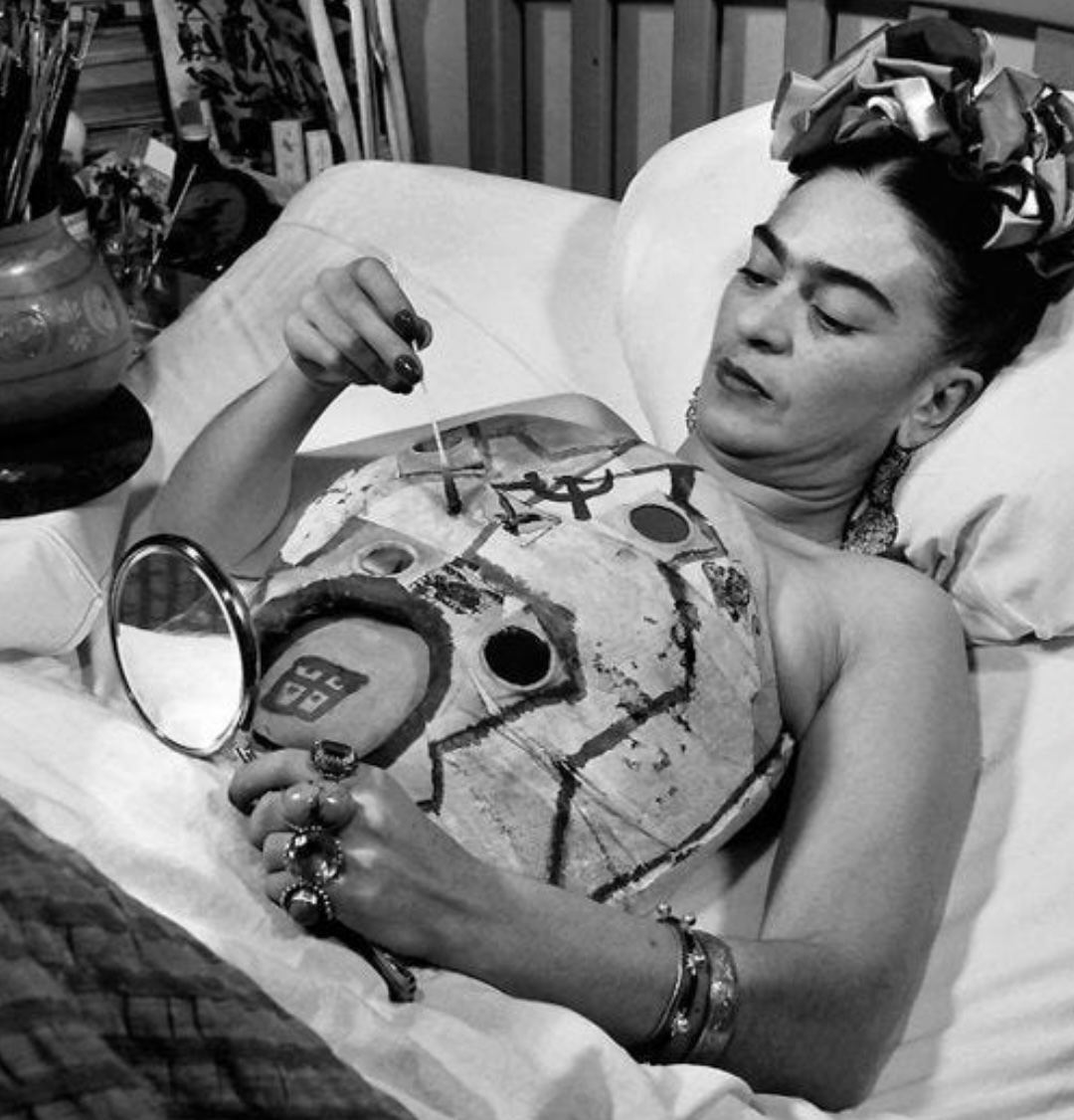
The research phase of this book is currently underway, with recent support from the Dedalus Foundation Alumni Fund to undertake archival research at Museo Frida Kahlo (Casa Azul) in Mexico City in Fall 2026, which holds letters, manuscripts, photographs, medical records, and personal ephemera central to reconstructing Kahlo’s embodied experience of disability and its relationship to her artistic process. The book’s chapter on Frida Kahlo will reframe her practice around chronic pain, medical trauma, and disabled embodiment rather than reading her work solely through surrealism or biography. This material will ground the chapter’s analysis in Kahlo’s own words and objects, deepening the book’s broader claim that disability functioned as a generative condition of modernist practice rather than a biographical footnote. A complementary phase of research is planned for Spring 2027 at two Washington, D.C. repositories: the Smithsonian’s Archives of American Art, and the National Museum of Women in the Arts’ Library and Research Center.